Egg Donation Program
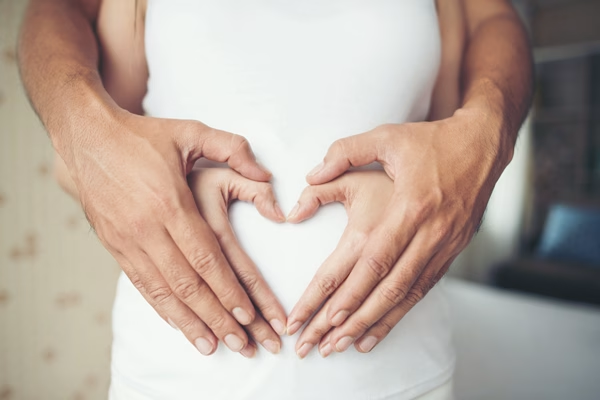
A path forward in assisted reproduction for women who haven’t achieved a successful pregnancy with their own eggs, offering a greater opportunity to make your dream of becoming a mother a reality.
What is egg donation?
Egg donation is an assisted reproduction option in which a woman receives eggs from a donor to be used in an IVF cycle and transferred to her uterus. Our donors are young, healthy women selected through rigorous medical criteria, resulting in high success rates.
Is egg donation right for you?
Egg donation may be an option if…
Your eggs are no longer viable due to age, a medical condition, or genetic factors.
You’ve had failed IVF cycles using your own eggs.
You have low ovarian reserve or premature ovarian failure.
There is a risk of passing on a hereditary condition.
You’ve experienced recurrent pregnancy loss.
What happens in the lab?
In an IVF process using donated eggs, we fertilize the donor’s eggs with sperm from the recipient’s partner (or a sperm donor) to create embryos, which are then transferred to the recipient’s uterus.
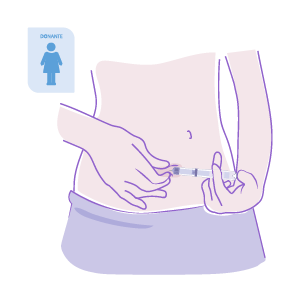
1. Ovarian Stimulation
We begin the ovarian stimulation process in the donor.
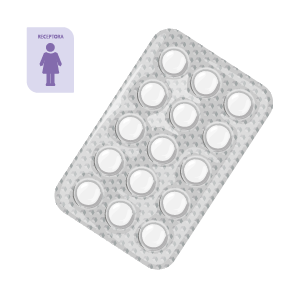
2. Endometrial Preparation
If the donation is “direct,” we begin preparing your endometrium in parallel with the donor’s stimulation.
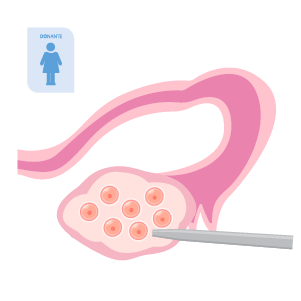
3. Egg Retrieval
Once the eggs have reached the right size, the donor comes in for her egg retrieval procedure.
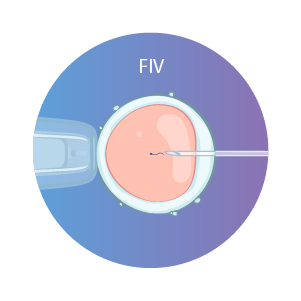
4. IVF
In our IVF lab, we fertilize the eggs with sperm from your partner or donor to create the embryo.
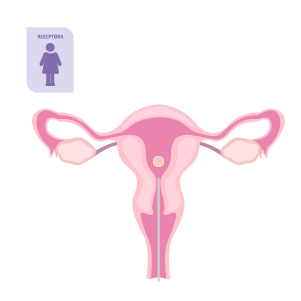
5. Transfer
After six days of development, we transfer the embryo to your uterus.
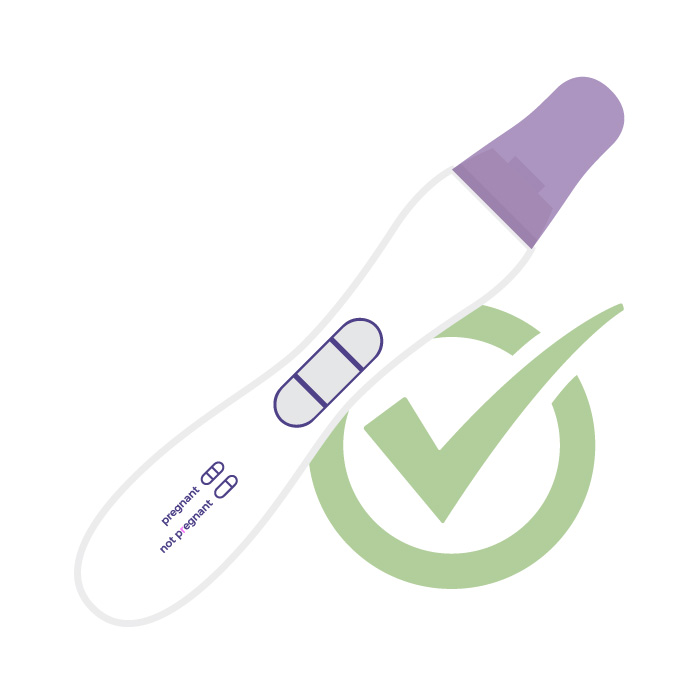
6. Pregnancy Confirmation
Two weeks later, we perform a pregnancy test.
How does the egg donation program work at Nascere?
En un proceso de Fertilización In Vitro, utilizamos óvulos donados para fertilizarlos con espermatozoides de la pareja receptora (o de un donante). De ahí obtenemos los embriones que luego serán transferidos al útero de la receptora.

1. High-specialty consultation: Where your tailor-made program begins
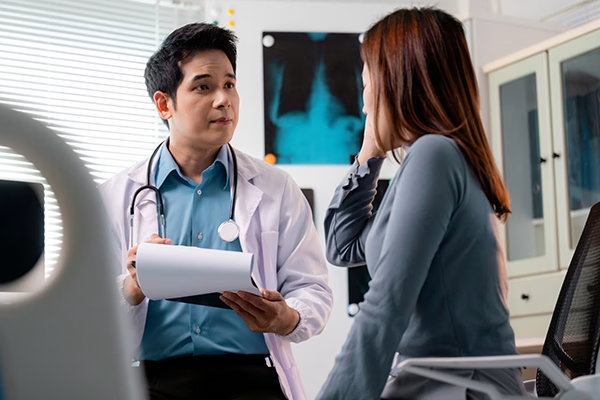
The process begins with a video consultation. We take the time to get to know your history, your profile, and your family in depth, so we can design a program that’s built around you.
At Nascere, we don’t work with generic protocols. Every egg donation program is custom-designed, with careful attention to every detail of the matching process between donor and intended parents: phenotypic characteristics, health history, and more.
2. Donor selection and matching
Our specialized team evaluates phenotypic characteristics (physical traits such as skin tone, eye color, and build) along with other relevant clinical criteria to identify the most compatible donor for your family. All of our donors go through a thorough medical and psychological evaluation before joining the program, for the peace of mind and safety of everyone involved.
3. A bundle built for you
Our programs include 8 eggs per cycle, a number that exceeds the standard at most fertility centers. More eggs means more available embryos and greater flexibility throughout the entire process.
4. This is where your story begins
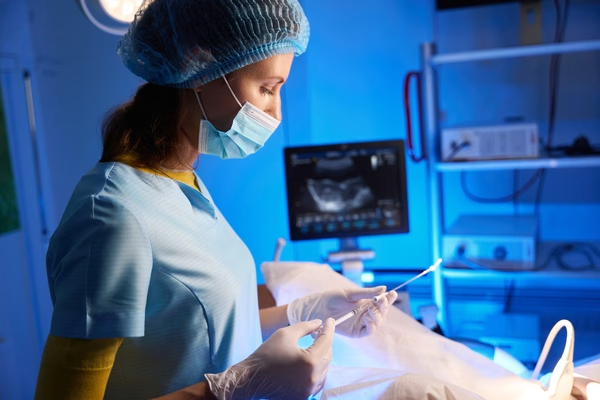
Once compatibility with the donor is confirmed, our lab team fertilizes the eggs and carefully supports the development of your embryos at every stage. When they’re ready, we transfer them to your uterus: the place where your story begins.
What does the egg donation program at Nascere include?
Every program is as unique as each family. What remains constant: a high-specialty video consultation, a donor selection and compatibility process, and a package of 8 eggs per cycle. The specific details of your program are defined based on your case and history.

How are donors selected?
Donor candidates must meet the following requirements:
- Between 18 and 30 years of age.
- In good physical and mental health.
- No genetic, hereditary, or infectious conditions that could be passed on to offspring.
- A gynecological evaluation confirming normal reproductive function and adequate ovarian reserve.
Once all of the above is confirmed, the candidate is accepted into the donor program.


Your Baby and Epigenetics
The first concern for many women considering egg donation is, “Will my baby look like me?” To address this, we need to discuss epigenetics.
Epigenetics studies changes that affect gene activity without altering the DNA sequence, influencing gene expression.
Recent advancements show that the gestational mother plays a crucial role in embryonic development.
While the baby will have genetic characteristics from the egg and sperm, the nutrients it receives during development come from the mother’s uterus, influencing gene expression.

Success Rates: Egg Donation vs. Own Eggs
Egg donation has a high success rate because donors are under 30 years old, meaning the eggs are in their prime for fertilization. The age of the recipient is not a determining factor for success, though we recommend the procedure be done before the age of 52 due to pregnancy risks beyond this age.
Frequently asked questions about egg donation
Is egg donation legal in Mexico?
Yes. Egg donation is a legal procedure in Mexico, carried out under strict medical and ethical standards.
Will I meet the donor?
No. The egg donation process is completely anonymous for both parties, in accordance with the ethical guidelines that govern gamete donation in Mexico.
Will my baby have my traits?
Your pregnancy plays an important role in your baby’s development. While the baby’s genetic makeup comes from the egg and sperm used to create the embryo, the pregnancy itself involves ongoing biological interactions between you and your developing baby. In addition, our donor-matching process considers physical characteristics to help ensure the donor is as similar to you as possible.
What if I’m in a same-sex relationship or pursuing parenthood on my own?
Our program was designed to support all paths to parenthood and all family structures.
How long does the process take?
Timelines vary from case to case. During your consultation, our specialists will provide a personalized treatment plan and projected timeline based on your individual needs.